

Hurricane Preparedness in Wellington: An October Reset |
A practical check of emergency supplies, household plans and reliable alerts |
Hurricane preparedness belongs on Wellington’s October calendar, even when family schedules are filling with festivals, school activities and plans for the coming equestrian season.
A short household reset now can uncover missing batteries, depleted food supplies or a contact plan that nobody has reviewed since summer.
This is a preparedness guide, not an announcement that a particular storm will strike Wellington.
For current threats, use official forecasts and local emergency instructions rather than treating a general checklist as a weather prediction.
Start with what your household actually needs
The Florida Division of Emergency Management encourages residents to prepare supplies for at least seven days, tailored to their own circumstances.
Begin by counting everyone who depends on your household, including pets, visiting relatives and anyone with specialized dietary or accessibility needs.
Open the supply containers rather than assuming a summer shopping trip still covers everything.
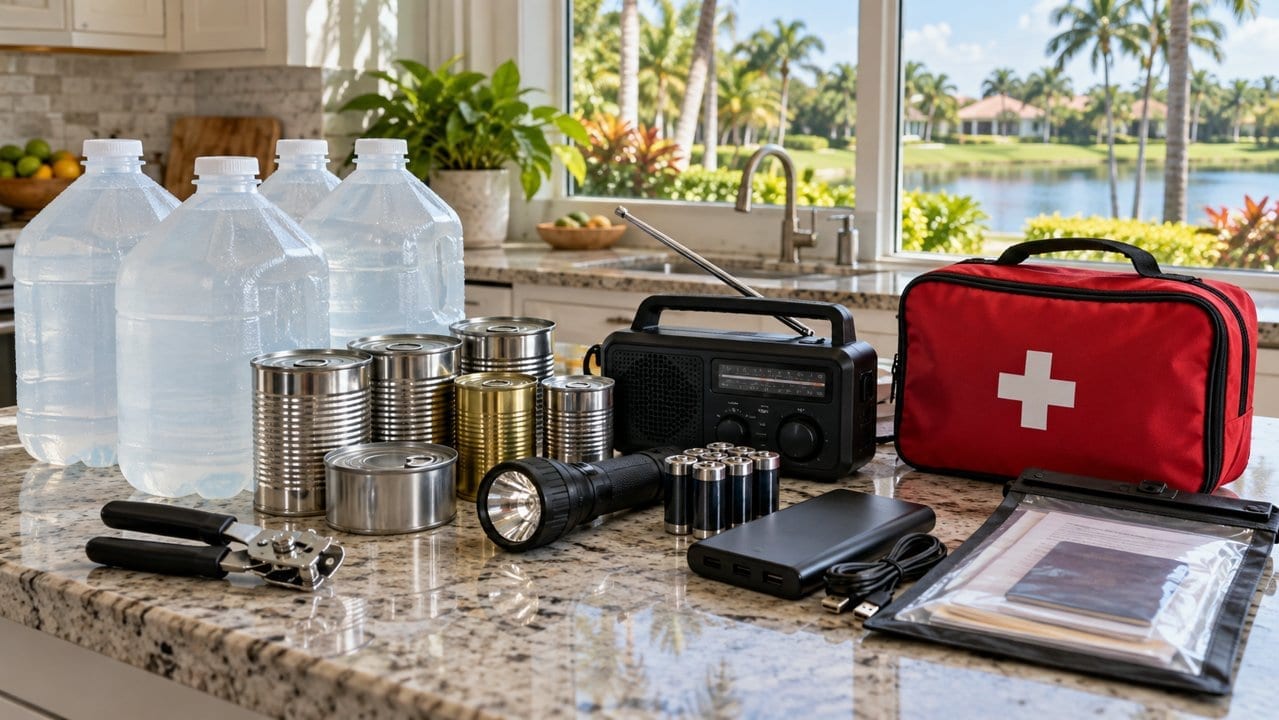
Check expiration dates, replace items already used and make sure stored water, nonperishable food and a manual can opener are easy to locate.
The state’s disaster supply checklist also includes flashlights, a battery-operated or hand-cranked NOAA Weather Radio, cash and important documents.
Match batteries to the devices you own, and test the equipment before putting it back on the shelf.
Keep a written shopping list so a routine grocery visit can close the gaps without turning preparedness into an expensive all-at-once project.
Make the plan usable during a disruption
NOAA emphasizes understanding wind and water risks, receiving information in multiple ways and knowing what to do before, during and after a storm.
A phone is useful, but a household plan should not depend entirely on one charged device or one internet connection.
Write down important contacts and decide how family members will reconnect if normal communications become difficult.
Choose an out-of-area contact, share the number and keep a paper copy with your emergency supplies.
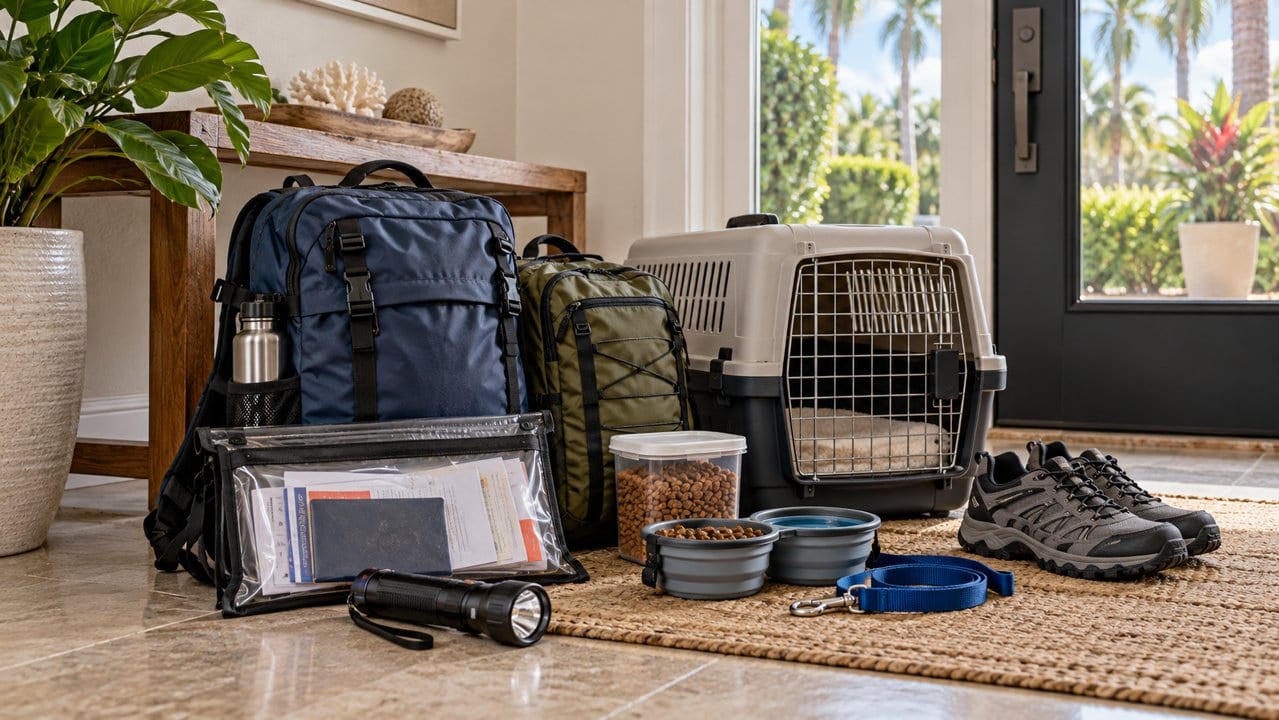
Review where important documents are stored, who can collect them and how they will travel if your household needs to leave. |
 |
Include pets before an emergency begins
The state checklist calls for pet food and water for at least seven days, identification, medical records, medications, bowls and an appropriate carrier or cage.
Set aside the leash and carrier now instead of looking for them while everyone is trying to pack.
Confirm accommodation arrangements directly, including whether a planned destination accepts your animals and what documentation it requires.
For Wellington households with horses, make a separate animal-care and transport plan rather than assuming a household pet checklist covers larger animals.
Discuss arrangements with the people who normally help care for them.
Know where your next instruction will come from
Wellington maintains a hurricane-preparedness information page, while NOAA provides preparedness guidance and access to official hurricane forecasts.
Bookmark those resources and identify the local channel your household will use for emergency directions.
Check the date and time on updates, because yesterday’s screenshot may no longer describe today’s situation.
If officials issue evacuation or other protective instructions, follow the current directions that apply to your location and circumstances.
Neighbors can also agree on a simple check-in plan, especially when someone may need help receiving information or arranging transportation.
Finish with one manageable action
Use fifteen minutes to inspect one container, test one flashlight or update one contact list.
Then assign the remaining tasks to specific people and put a date beside each task.
Practical hurricane preparedness is easier to maintain when the plan is visible, the supplies are accessible and everyone knows their role.
The goal is a household that can act calmly on reliable information, with fewer last-minute decisions left unresolved. |
35 Comments
Join the conversation
Doing a supply check before equestrian season gets going is good timing for Wellington. Once the weekends fill up, these small household tasks tend to slip.
Daniel PriceExactly. October weekends disappear fast around here. I put the supply check on the calendar so we actually do it.
Exactly, the calendar fills up fast in Wellington. A short supply check now can keep those small tasks from getting lost in a busy season.
I am a little skeptical that most households can fit a full seven days of supplies, especially with pets. Still, checking what we already have is a good start.
Space and cost can make a seven-day supply challenging. Checking what you already have and keeping a list of gaps is a practical place to start.
For anyone storing supplies in the garage, it is worth checking them regularly in this heat. I learned that the hard way with a box of ruined food.
Sam OrtizThat heat is rough on supplies. We moved our food bin into a closet after finding melted granola bars in the garage.
The contact plan is probably where our family needs the most work. Everyone knows where the flashlight is, but we have never agreed on how to reconnect.
It is easy to focus on wind and forget that water can be the bigger concern in some places. Checking the actual risks for your home is sensible.
I wonder how often people really test their hand-cranked radios. Ours works, but we have never checked which stations we can pick up from home.
A phone should not be the whole plan. During an outage a few years ago, our backup charger helped, but the weak signal was still a problem.
We have visiting relatives most Octobers, so counting only the people who live here would leave us short. That part of the supply advice stood out to me.
I like the suggestion to make this a routine grocery task instead of one big shopping trip. Replacing a few things at a time is easier on the budget.
Keeping documents together sounds simple until you need to leave quickly. I am going to check who in our house actually knows where the folder is.
Jasmine LeeGood idea. My spouse knew where ours was, but I had no clue until we went through the plan together.
That’s a useful check. Knowing who can collect important documents, and where they are, can make the plan much easier to use if you need to leave.
Cash is easy to forget since most of us pay with a phone now. I can see why it belongs with the supplies if power or service goes out.
I would add checking any prescriptions before the week gets busy. The reminder about specialized needs is important for households that cannot rely on a basic food list.
The point about matching batteries to the devices you own is practical. I have bought the wrong size more than once when shopping in a hurry.
Checking expiration dates is worth the time. We found several snacks in our storm bin that the kids had already eaten and never told us about.
Your storm bin illustrates why opening the containers matters! A quick inventory can catch both expired items and supplies that have quietly disappeared.
Bethany ColeThe snacks vanish from ours too. Now I check the bin before each grocery run instead of trusting what's on the list.
I am glad the guide says to follow official forecasts for current threats. A general reminder is useful, but people should not mistake it for a storm warning.
An out-of-area contact makes sense if local calls are difficult. I had not thought about giving everyone a paper copy of that person's number.
The manual can opener is a small detail that can cause a big headache. We had plenty of canned food once and realized our only opener was electric.
School events and equestrian season can take over the whole calendar around here. Setting aside one afternoon to check supplies seems reasonable.
I would like to see more detail about how to store seven days of water in a small home. The checklist is helpful, but space is a real issue.
It is good to see pets included when counting supplies. Their food and medication are easy to overlook when you are focused on water for the people in the house.
Absolutely, pets’ food and medication belong in the household supply count, along with any other needs specific to your home. Thanks for highlighting them.
Testing the weather radio matters. Ours was sitting in a closet for years, and we found out last season that the batteries had corroded.
The paper contact list is something I keep meaning to make. If our phones die, I would be hard pressed to remember more than a couple of numbers.
I appreciate the distinction between a preparedness checklist and a storm forecast. October is busy in Wellington, and it is easy to put this off unless someone reminds you.
Seven days of supplies sounds like a lot for a family, but making a list for regular grocery trips seems manageable. That is a helpful way to approach it.
The reminder to open the supply containers is useful. I know we used some of our batteries over the summer and never replaced them.
Maria G.Same here. We borrowed batteries from the storm radio for a flashlight and forgot to put them back.