

Water Conservation in Wellington: A Household Checkup |
Find avoidable waste and build practical habits indoors and outdoors |
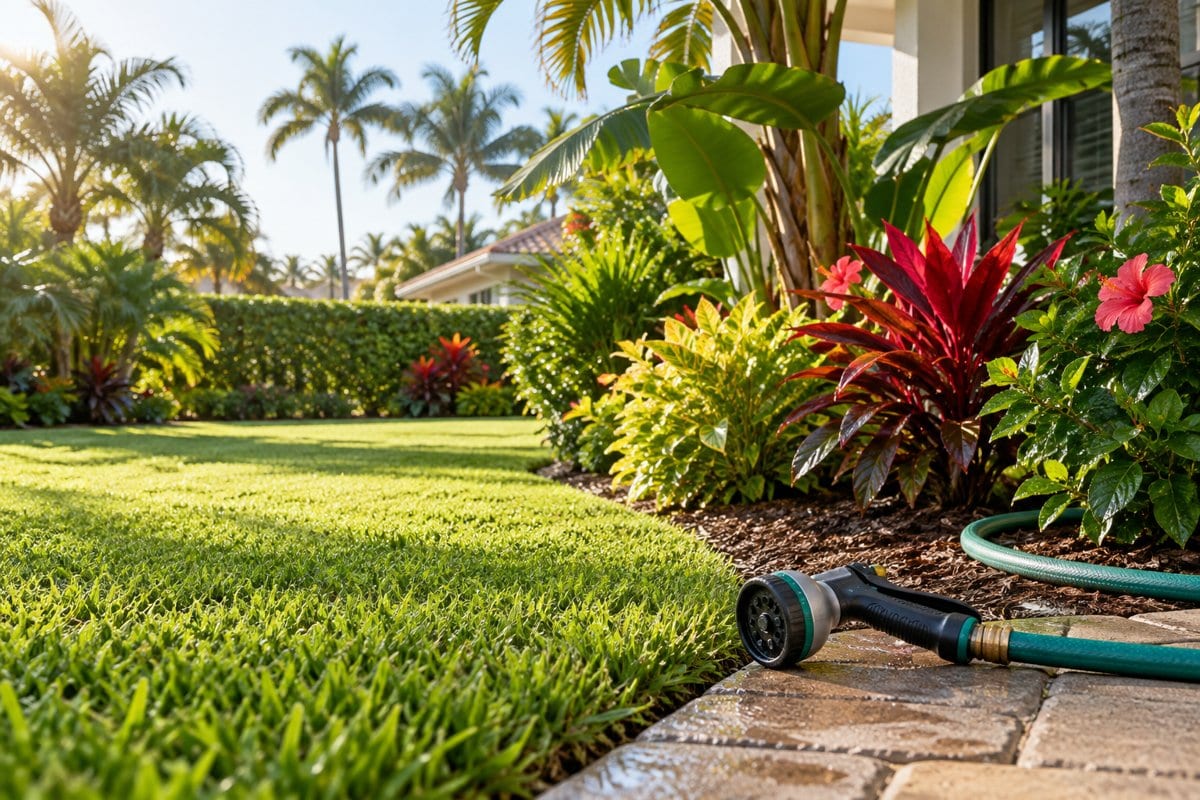
Water conservation in Wellington can begin with a short household check rather than a costly project.
A dripping fixture, an unnoticed running toilet or an irrigation system following an old program can make water use harder to understand.
The practical goal is to find avoidable waste, choose a few repeatable habits and confirm the rules that apply before changing outdoor watering.
Start with what you can observe, then seek help when the cause is unclear.
Give leaks a closer look
EPA’s Fix a Leak guidance identifies faucets, toilet components and valves as common places for household leaks.
Look for persistent drips or visible moisture around accessible fittings, and note when a toilet seems to refill without use.
Those observations are useful when explaining a problem to a plumber or property manager.
EPA also describes comparing meter readings before and after a two-hour period with no water use as a way to investigate a possible leak.
That means accounting for automatic equipment as well as taps before interpreting a change.
If you are unsure how to read your meter or isolate the source, ask for assistance rather than assuming the answer.
A usage increase deserves a careful check, not an immediate conclusion about who or what caused it.
Choose changes that fit the household
EPA’s WaterSense guidance recommends turning off the tap while brushing teeth and running full dishwasher loads.
For hand washing dishes, a basin can avoid leaving water flowing throughout the task.
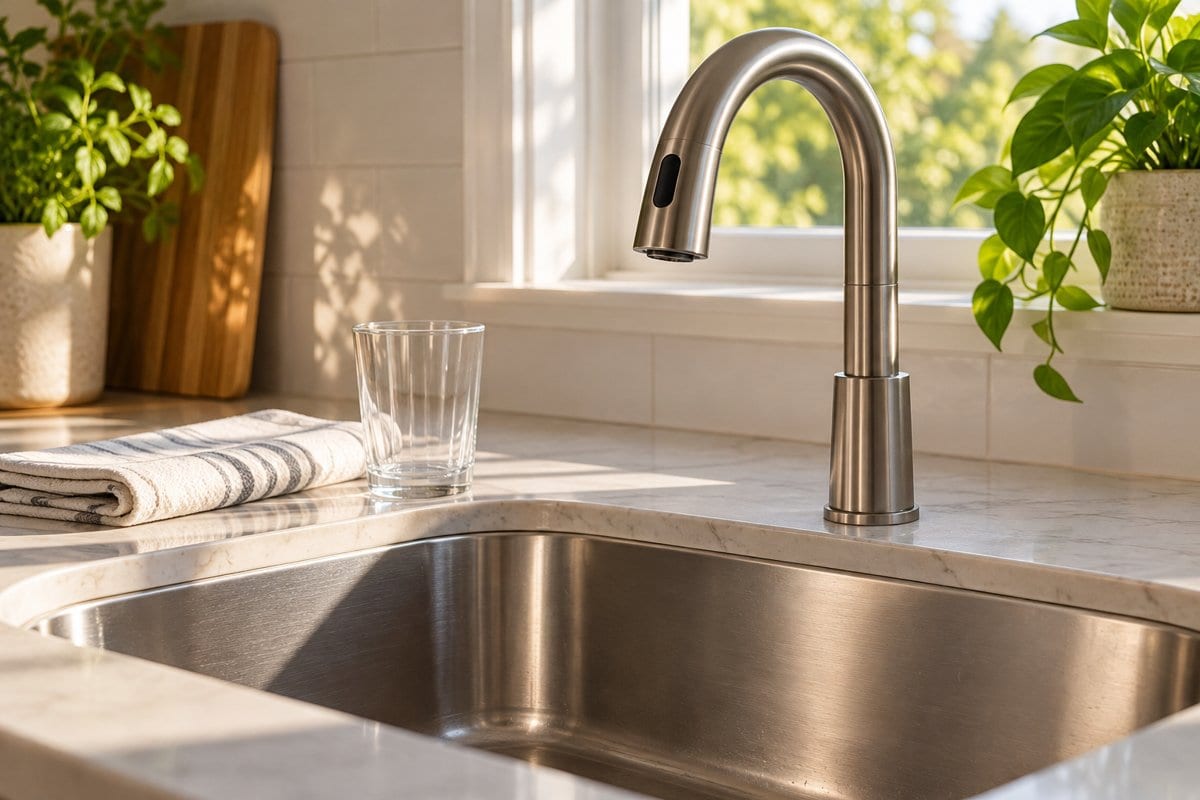
Keeping drinking water chilled in a pitcher removes the need to run a faucet while waiting for cooler water.
Pick one or two habits everyone can follow consistently before adding more.
For a shared household, agree on the change so it becomes part of the routine rather than one person’s reminder.
Small improvements are easier to assess when you know what actually changed.
|
 |
Review outdoor use separately
Walk around the yard and note obvious problems such as a broken sprinkler head, water striking pavement or a hose left running.
Have irrigation equipment checked if its operation does not match the landscape’s needs.
The Village maintains separate Conservation Tips and Water Restrictions pages, and the South Florida Water Management District provides regional irrigation information.
Use those official resources to confirm current requirements for your address and water source.
Do not copy a watering schedule from another Florida city or another water management district.
Special circumstances can have different requirements, so ask the responsible agency about new landscaping or an unusual system.
A permitted watering opportunity is not a reason to ignore actual conditions.
This guide does not establish a legal watering timetable or confirm an exception for a particular property.
Make a useful record
Write down the date of a suspected leak, the fixture involved and any repair or irrigation adjustment.
If you rent, report the concern through the normal maintenance process and retain the details.
Compare usage over similar billing periods and note household changes before expecting a simple before-and-after result.
Guests, travel and different outdoor conditions can complicate that comparison.
Treat a bill as one clue rather than a complete diagnosis.
Ask the utility about a usage question and a qualified repair professional about equipment you cannot assess safely.
Plan replacements when they are needed
When a fixture needs replacing, EPA’s WaterSense label is a starting point for comparing water efficiency and performance.
Check compatibility, installation needs and total cost before buying.
There is no need to replace functioning equipment simply to complete a weekend checklist.
Finish the first review with one repaired problem, one clearer question or one habit the household can maintain.
Steady attention is more useful than an ambitious plan that gets abandoned.
For Wellington residents, conservation begins with understanding the home’s actual use and returning to authoritative guidance when outdoor rules are involved.
The accompanying AI-generated images illustrate household water conservation and do not document a specific home or utility. |
11 Comments
Join the conversation
I would check the current watering rules before changing the sprinkler schedule.
Exactly. Check the rules that apply before changing outdoor watering, then look at whether the sprinkler program still fits your needs.
tom_42Agreed. I'd check the current rules first rather than trust whatever schedule is still on the timer.
We keep a pitcher in the fridge now, and nobody waits for the tap to cool.
Glad that habit is working for your household! Keeping water chilled is a simple way to avoid running the tap while waiting for it to cool.
Nina PatelWe started doing that too. It's especially nice when you want a cold glass right away.
The two-hour meter check only helps if the irrigation system is off too.
That’s right. The check calls for no water use during those two hours, including from automatic equipment.
Dave ThompsonGood point. Our sprinklers run early, so I'd have to check the timer before trying this.
Checking whether a toilet refills on its own seems like an easy place to start.
Yes, an unexpected refill is a useful clue, and it’s easy to notice without taking anything apart.