

Wellington Garden Club: Meetings and Community Projects |
Garden club meetings and community gardening offer ways to learn and connect locally |
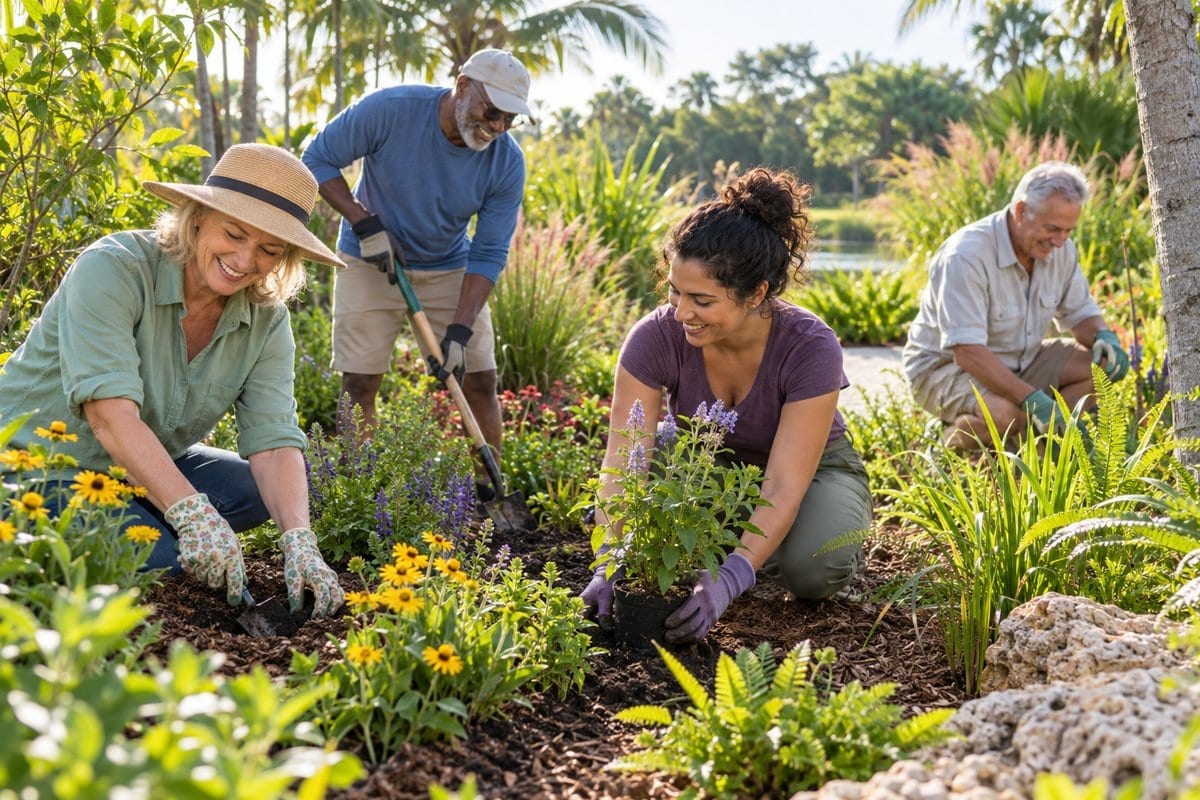
You do not need a perfect yard to find a place in Wellington’s gardening community.
For residents curious about plants, local conservation or meeting neighbors through a shared interest, Wellington Garden Club offers several ways to begin.
Its activities connect classroom-style learning with projects around the village, giving newcomers something more useful than another list of plants to buy.
The club’s published information welcomes visitors, and its upcoming November program gives interested residents a specific date to investigate.
A November meeting with a practical topic
The club’s 2026–2027 speaker calendar lists a November 2 presentation by Dr. Kimberly Moore on controlling garden invasives, including iguanas.
The meeting venue is the Wellington Community Center, 12150 Forest Hill Boulevard.
The published meeting schedule begins with a social and light breakfast at 9:30 in the morning, followed by the speaker at 10:15 and the business meeting at 11.
Confirm the current program and reserve a visitor spot through the club before heading over.
Its homepage lists admin@wellingtongardenclub.org for reservations and questions.
Checking first is especially useful if you need information about the room, access or a possible schedule change.
Bring a notebook and one clear question rather than feeling you need an extensive gardening background.
Try a meeting before committing
The membership page says guests may attend two meetings before becoming members.
It currently lists annual dues of $45 for an individual and $65 for a couple, paid upon joining and again each May.
Ask how those dates apply to your own application before paying.
Listed membership activities include educational meetings, special events and Around & About trips to gardens, parks and nurseries.
For someone new to Wellington, a shared activity can provide an easier introduction than arriving at a social gathering without a topic in common.
There is no need to turn a first visit into a decision about every future activity.
Start with the program that interests you and ask what participation involves.
|
 |
See how gardening reaches beyond private yards
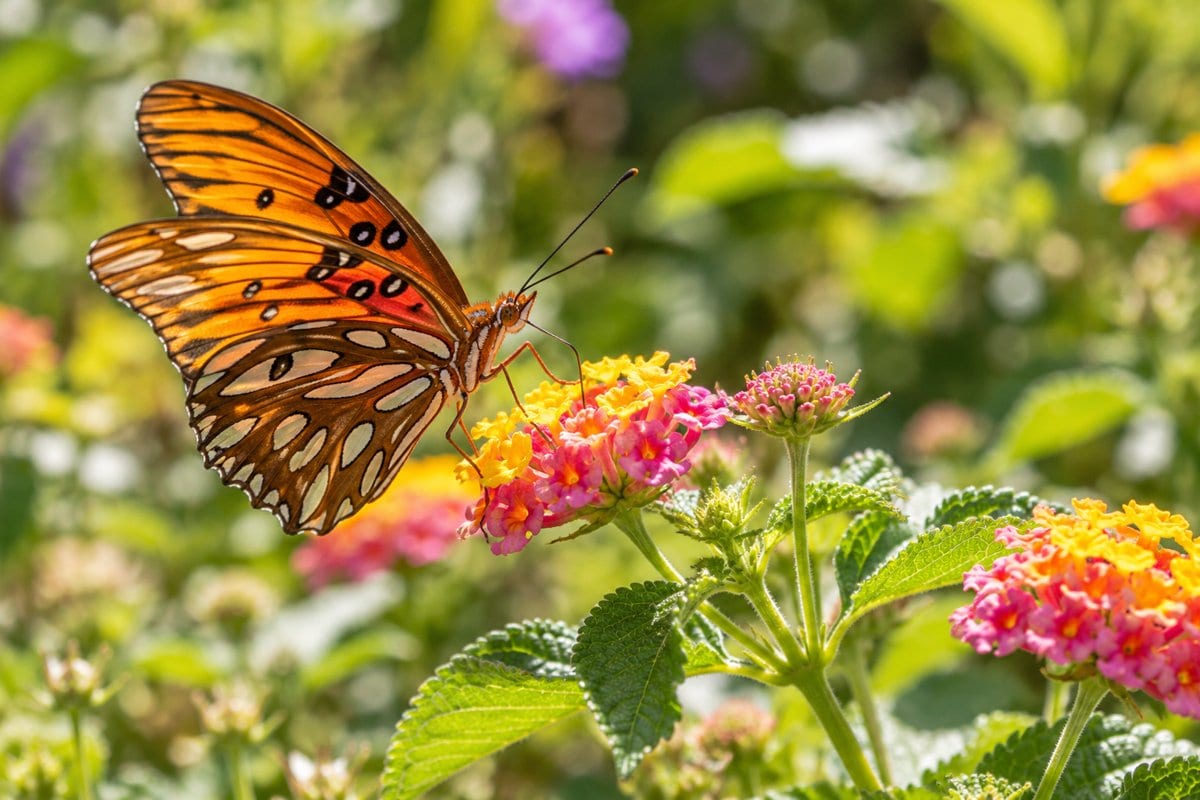
The club describes a community garden project at the Boys & Girls Club of Wellington, with eight raised beds and a butterfly and native plant garden.
Its volunteers help children learn about planting, weeding, harvesting and fresh vegetables.
That is a different kind of contribution from maintaining your own landscaping: the work supports a shared learning space.
Anyone interested in helping should contact the organizers about current needs, arrangements and access.
Do not treat a youth-program location as an unrestricted drop-in garden or assume produce is available for public picking.
The useful first step is asking where help is needed and what preparation volunteers require.
Explore the native-plant connection
Another club project is the wildflower meadow at Greenbriar Park.
The club describes it as a demonstration garden intended to encourage native plant use and wildlife diversity.
Its project page explains that planting took place in stages and that benches and educational signs were part of an Eagle Scout enhancement project.
For a visitor, the attraction is the chance to observe a community planting rather than expecting a formal garden to look identical throughout the year.
Leave flowers and wildlife undisturbed, and use the visit to collect questions for a future meeting.
Learning can begin with observation before it becomes a shopping list.
A photograph of a plant you want to identify, or notes about the light and space available at home, can make a later conversation more productive.
Before planning a visit or joining an activity, check the club’s current details directly.
For Wellington residents seeking a local interest with room to learn and contribute, gardening offers a practical place to start. |
14 Comments
Join the conversation
The 9:30 breakfast is a nice touch. If you're visiting, check the room before heading to the Community Center.
Good point. Visitors can email admin@wellingtongardenclub.org to confirm the room and any schedule changes before heading over.
Does anyone know which village projects need volunteers right now? I would rather start outdoors than at a meeting.
kim_87I’d ask the club if they have an outdoor workday coming up. I’d rather meet people while doing something hands-on too.
Starting outdoors makes sense. We don’t have a current volunteer-project list, so the club is the best place to ask which village projects need help now.
I joined a garden group after moving here, and the nursery trips made it easier to meet people.
Elena RuizSame here. It’s much easier to strike up a conversation when you’re all looking at the same plants.
Thanks for sharing that. The club lists trips to gardens, parks and nurseries among its membership activities, and a shared outing can make introductions easier.
Two guest meetings seems fair, but I would check how the May renewal works before paying dues in November.
That’s worth checking. The club lists dues as payable upon joining and again each May, so ask how renewal would apply to a November application before paying.
Dave ThompsonGood point. I’d want to know whether November dues cover the full year or if renewal is still due in May.
The November talk on invasives sounds useful. I would like to hear Dr. Moore's advice on iguanas in the garden.
Maria G.I hope she covers ways to protect young plants. The iguanas keep going after mine.
It does sound timely. Dr. Moore’s November 2 presentation is listed as covering garden invasives, including iguanas. We’d be interested to hear her practical advice, too.